Gene therapy treats disease by fixing the problem at its source: our genes. Genes are DNA instructions that help the body grow and stay healthy, but when they’re missing or faulty, disease can result. Gene therapy technology works by adding or replacing faulty genes to restore normal biological function. Instead of just managing symptoms, it targets the root cause. Some types of gene therapy may also involve gene editing, which directly changes a person’s DNA to correct mutations.

When Amanda Cook lost her first son to spinal muscular atrophy (SMA) type 1, she feared history would repeat itself. Her second son, Weston, was diagnosed with the same rare genetic condition that often leads to death before age two. But this time, there was hope.
Thanks to gene therapy technology, Weston received treatment as a baby. Today, he's growing, thriving, and hitting milestones his family never thought possible. Gene therapy didn’t just change his future; it gave him one.

How Patients Receive Gene Therapy
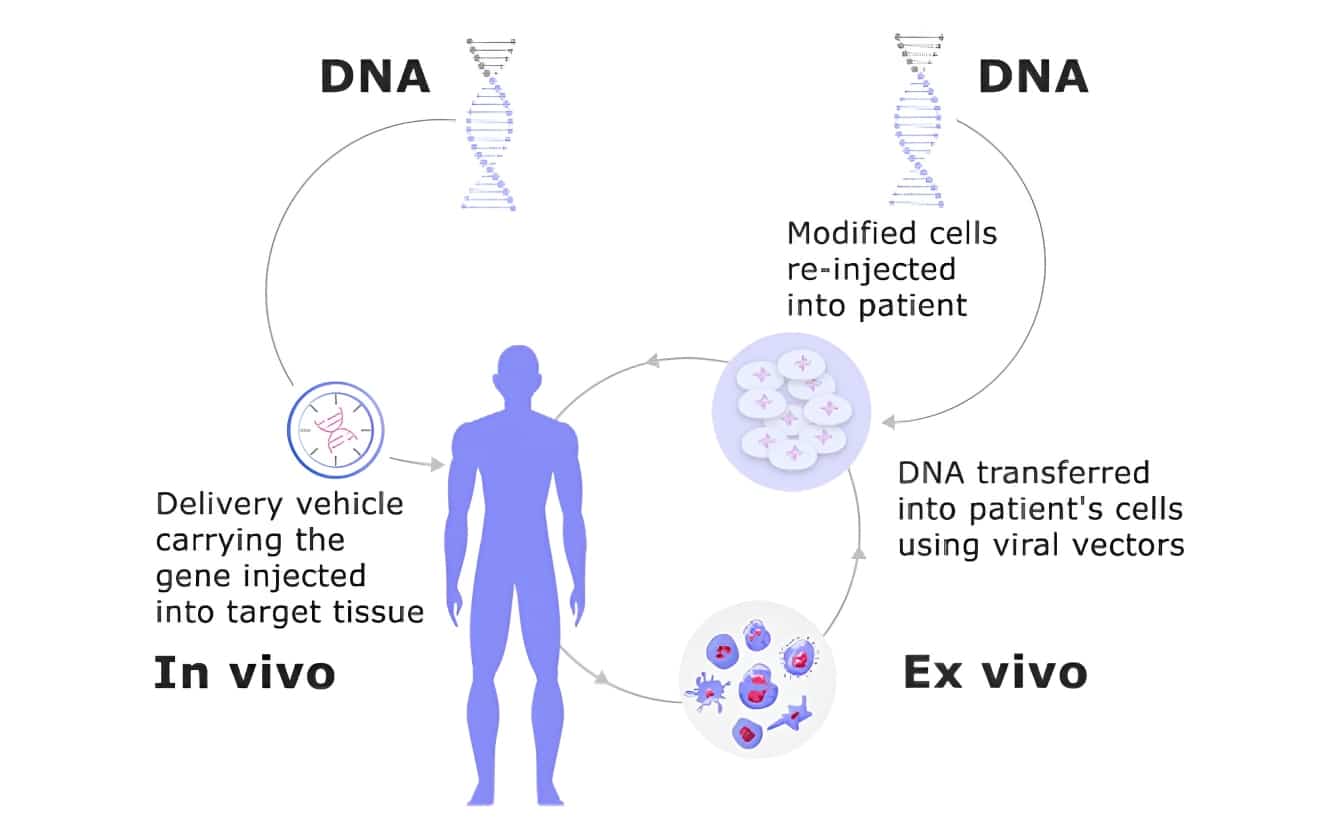
To reach patients, gene therapy technology must be delivered safely and effectively. This is done by using a ‘vector,’ traditionally an engineered virus or lipid nanoparticle, that can deliver the correct DNA or RNA sequence to the cells.
How a therapy is given, by injection, infusion, or surgery, affects whether it can reach the right cells and tissues. These delivery choices shape durability, safety, and access, determining whether what works in the lab can succeed in the real world. Other factors that require consideration include dosing, timing, and how long the effect will last.
On the Horizon for Gene Therapy
As gene therapy matures, frontier technologies are poised to unlock different ways it can help patients. This includes newer techniques like capsid engineering and nonviral gene therapy to improve safety and efficacy.
The future won’t just be impacted by science, but also by manufacturing, regulation, and distribution. ARM is at the forefront of navigating the evolution of gene therapy by hosting meaningful engagements, such as scientific exchanges with the FDA, and creating shared resources like A-Gene and our AAV Analytics Whitepaper to share best practices.
Discover how technologies like CRISPR enable precise, targeted changes to the genome, offering durable solutions for monogenic diseases.


Explore how patient or donor-derived cells are used to restore, replace, or modulate function—already in use for cancer and immune disorders.
Understand how regenerative products rebuild, replace, or support damaged tissues, including skin, cartilage, and corneal grafts.
Sign up for ARM’s weekly newsletter on sector news and alerts for events, reports, and other engagement opportunities.


